Mistakes To Avoid During Everest Base Camp Trek
Discover essential tips to avoid common mistakes during the Everest Base Camp trek. Stay safe, prevent altitude sickness, and make your journey to the Himalayas unforgettable.
Everest Base Camp Trek is one of the well-known trekking destinations for all trekking enthusiasts. It has successfully attracted the trekkers from all over the world.The trekkers will experience the unparalled beauty of the Everest region and and the rich culture of the local Sherpa people. This blog post will explore all the common mistakes to avoid for a successful Everest Base Camp Trek.
Underestimating Physical Training
The Everest Base Camp journey demands long hours of walking at high elevations, thus physical fitness is an important factor. During the trek, you will experience exhaustion, aches in your muscles, or even altitude sickness if you are not well prepared.
The trekkers must develop stamina and strength for Everest Base Camp Trek through involving in physical activities. Strength training with squats and lunges to target leg muscles, flexibility exercises like yoga or stretching to improve mobility and prevent injuries, and cardiovascular exercises like hiking, running uphill, or stair climbing to increase cardiovascular fitness should all be a part of a well-rounded training program. By preparing this mentioned exercise you will meet the physical demands of the trek.
Improper Selections of the Gear
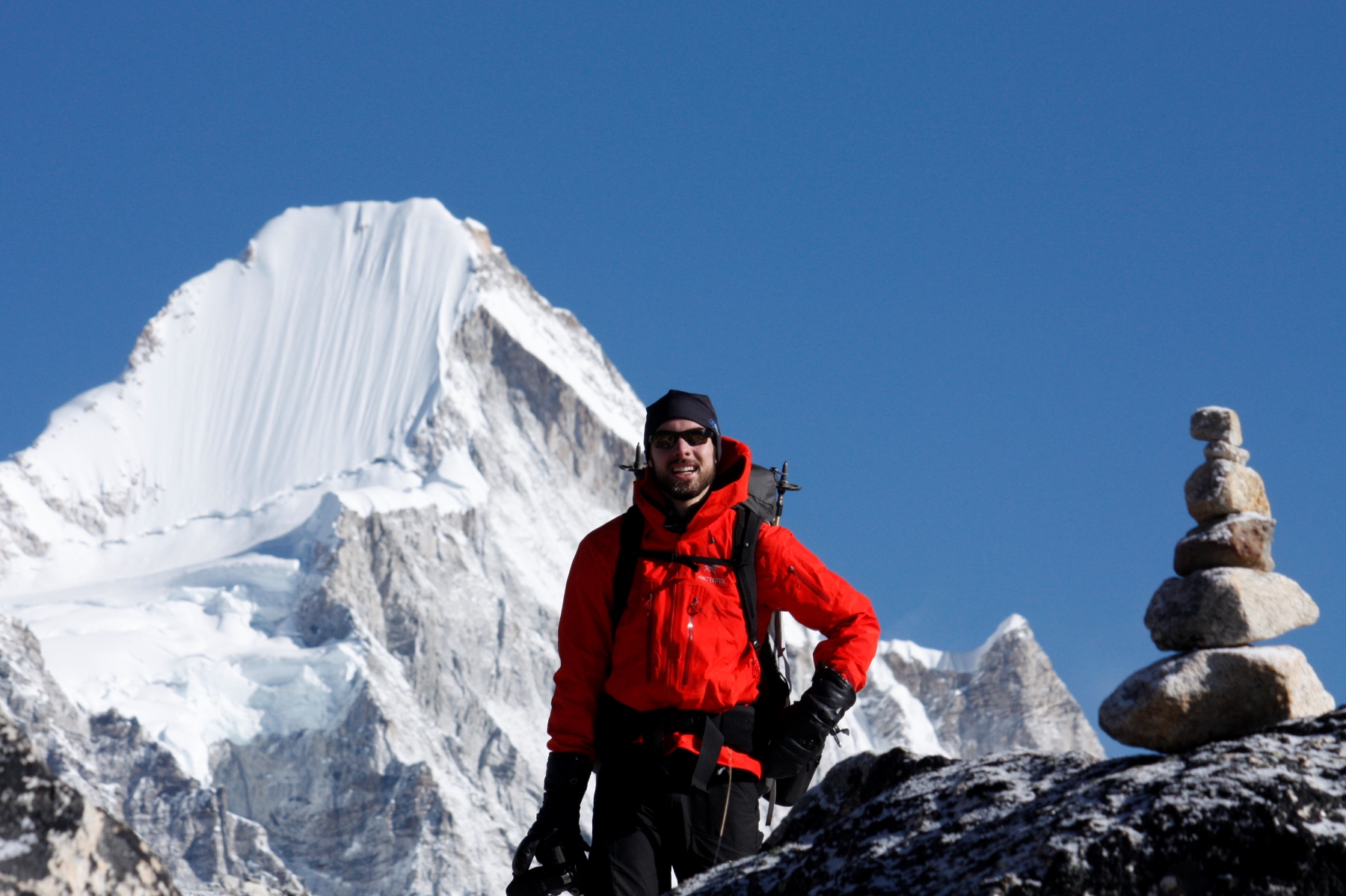
Proper selection of the gear is an essential factor for the successful completion of the Everest Base Camp Trek. You will encounter serious discomfort, blisters from the disoriented boots, or hypothermia from insufficient clothing because of improper and inadequate equipment and clothing.
You must pack a four-season sleeping bag that can withstand temperatures as low as 10°C (14°F), moisture-wicking layers of clothing, and durable waterproof hiking boots. The bag pack must include necessary items such as a first aid kit, water purification pills or a filter, trekking poles, and a torch with extra batteries. The high quality of the equipment guarantees comfort and improves your trekking experience.
Under packing or Overpacking bag
When preparing for the Everest Base Camp expedition, packing techniques are essential. Carrying too much weight over long distances and high altitudes can quickly deplete your energy, and overpacking can result in weariness. However underpacking can lead to a shortage of essentials, which can be just as harmful.

Trekkers must prioritize lightweight, multipurpose gear for a successful trip to Everest Base Camp, and bring only necessities like dependable sleeping bags, moisture-wicking layers, durable hiking boots, and basic toiletries. To guarantee comfort and ease during the trip, keep your pack weight between 15% and 20% of your body weight.
Neglecting hydration
Maintaining energy levels and avoiding altitude-related problems when walking requires drinking enough water. It's critical to identify and treat dehydration as soon as possible because it can exacerbate altitude sickness symptoms.
Proper hydration is an essential factor for the Everest Base Camp Trek. You must carry at least 3 liters of water daily and carry a water purifier tablet. You must pack essentials like sturdy bottles, purification tools, and electrolyte supplements to stay safe and energized throughout the journey.

Skipping meals while trekking
Nutrition is an essential factor that keeps energy levels up, maintains stamina, and helps recover effectively. Neglecting the meal can harm the performance of the trek. This would result in altitude sickness, fatigue, and dizziness. It is important to prepare your meal prior the trekking.
To maintain energy during the Everest Base Camp trek, you must pack a mix of energy bars, dried meat, instant oatmeal, and fresh fruit. These foods will give quick boosts of nutrients and calories. You must make sure to eat in a small amount and have frequent meals to maintain consistent energy levels.
Neglecting Acclimatization
Acclimatization is the process by which your body adapts to the decreased oxygen levels at high altitudes and it is necessary for the high altitude trek like Everest Base Camp. Trekkers have the risk of getting altitude sickness. A potentially dangerous illness might arise that can include symptoms headaches, nausea, dizziness, and exhaustion, if they don't properly acclimate. Making acclimatization a top priority guarantees a more secure and pleasurable hiking journey.

Trekking without a Trekking Guide
Without a knowledgeable guide, trekking over the isolated and difficult terrain of the Everest region can be dangerous and difficult. It can be very difficult to navigate the trails, especially in places with poorly marked tracks or when the weather suddenly changes. Hiring a guide not only increases safety but also adds priceless local knowledge and one-on-one assistance to your journey.
Ignoring Hydration Requirements During The Trail
Maintaining energy levels and avoiding altitude-related problems when walking requires drinking enough water. It's critical to identify and treat dehydration as soon as possible because it may worsen altitude sickness symptoms. Effective hydration management can significantly improve your Everest Base Camp trek experience by keeping you safe and allowing you to enjoy each moment of the trip.
Hurrying Throughout the Trip Rather Than Enjoying It Completely
There are serious risks associated with racing through the Everest Base Camp trip, including a higher risk of altitude sickness. It's important to pace oneself well when trekking. By taking regular rests, you may avoid overexertion and give your body time to adapt to the altitude.

Neglecting regional traditions and culture while traveling
During your journey to Everest Base Camp, it is essential to respect local traditions and culture. In addition to enhancing your journey, interacting warmly with the communities you come across along the way also promotes goodwill.

Everest Base Camp Trek is a lifetime experience that offers you breathtaking views and the majestic view of Mount Everest. Following the advice above will help you make the most of every time spent in these magnificent settings.