It offers raw adventure, authentic culture, and untouched Himalayan landscapes far from tourist crowd
Api Himal Base Camp Trek | Wilderness Trekking in Api Nampa Conservation Area
The Api Himal Trek explores one of Nepal’s most remote regions, offering untouched landscapes, traditional villages, high alpine passes, and dramatic Himalayan views. Ideal for trekkers seeking true wilderness and authentic culture
Api Himal Trek – Remote & Untouched Himalayan Adventure in Far-Western Nepal
The Api Himal Trek is one of Nepal’s most remote and rewarding trekking experiences, located in the far-western corner of the country within the pristine Api Nampa Conservation Area. Far from the crowded trails of Everest and Annapurna, this trek is perfect for adventurers seeking a true off-the-beaten-path Himalayan journey through untouched landscapes, isolated villages, and dramatic high-mountain scenery.
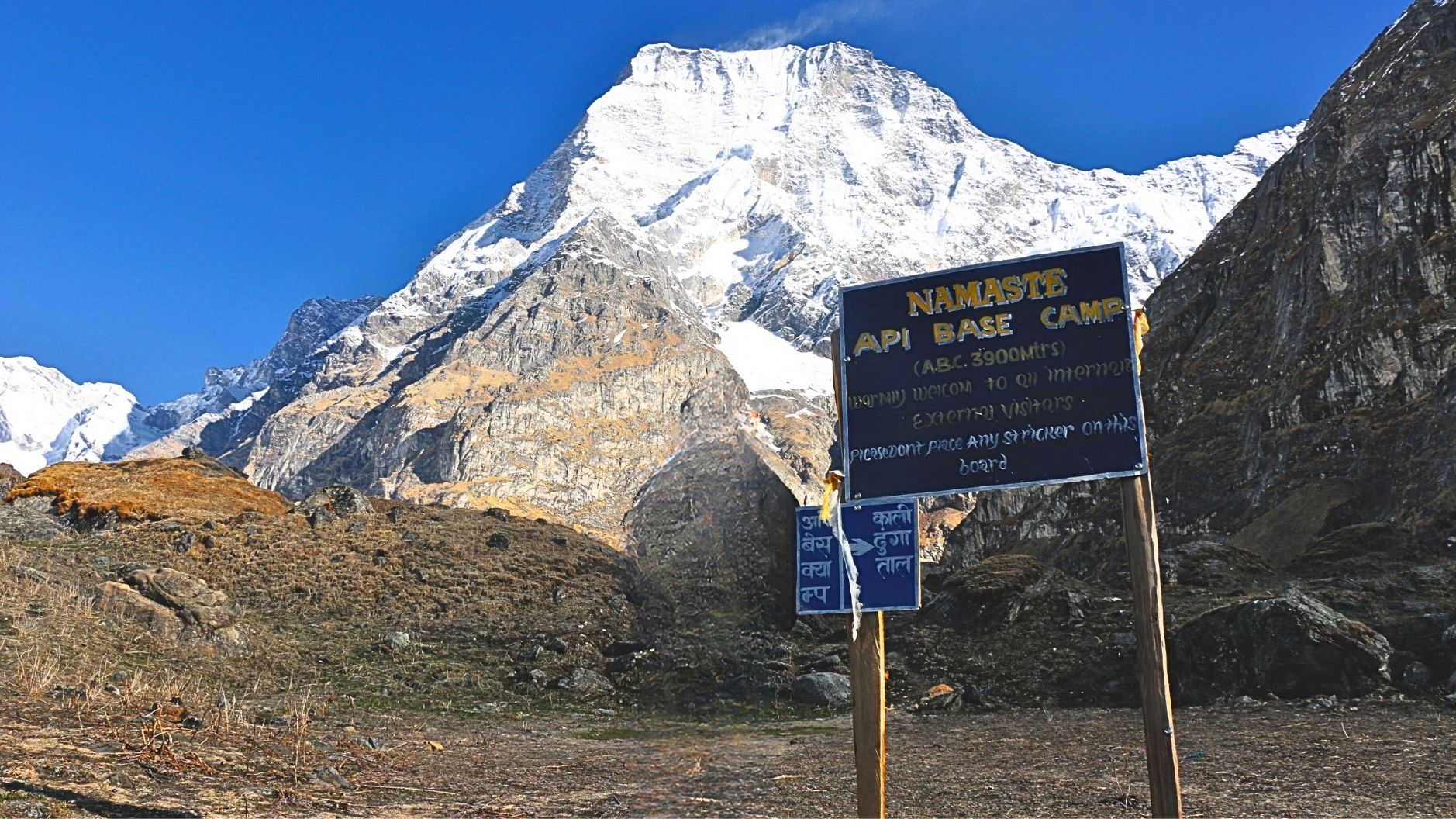
The trek leads to the Api Himal Base Camp, beneath the towering Api Himal (7,132m)—the highest peak in western Nepal—and offers stunning views of Nampa Himal (6,931m), glacial valleys, alpine meadows, and roaring mountain rivers. This is a journey into raw wilderness, cultural authenticity, and unspoiled nature.
Trek Overview & Logistics
- Duration: 14–18 days
- Walking Hours: 5–8 hours per day
- Maximum Elevation: 4,200m (Api Himal Base Camp)
- Starting Point: Dadeldhura (via flight Kathmandu–Dhangadhi, then overland drive)
- Trek Type: Teahouse & camping trek
The Api Himal Trek is considered moderate to challenging, not technical, but physically demanding due to long distances, rugged trails, and remote terrain. Trails are often unmarked, making a licensed local guide essential for safety, navigation, and cultural insight.
Cultural Experience & Local Life
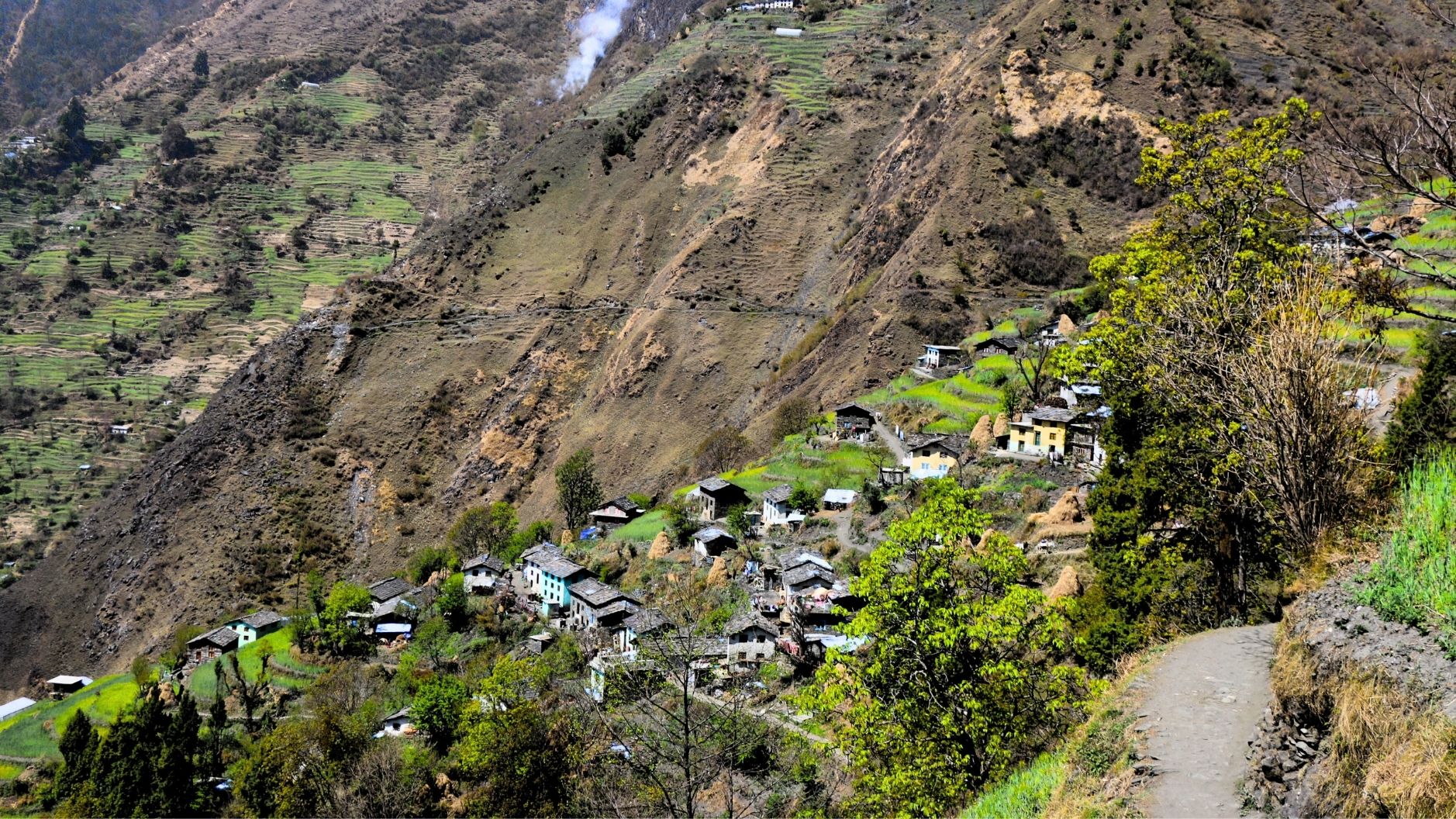
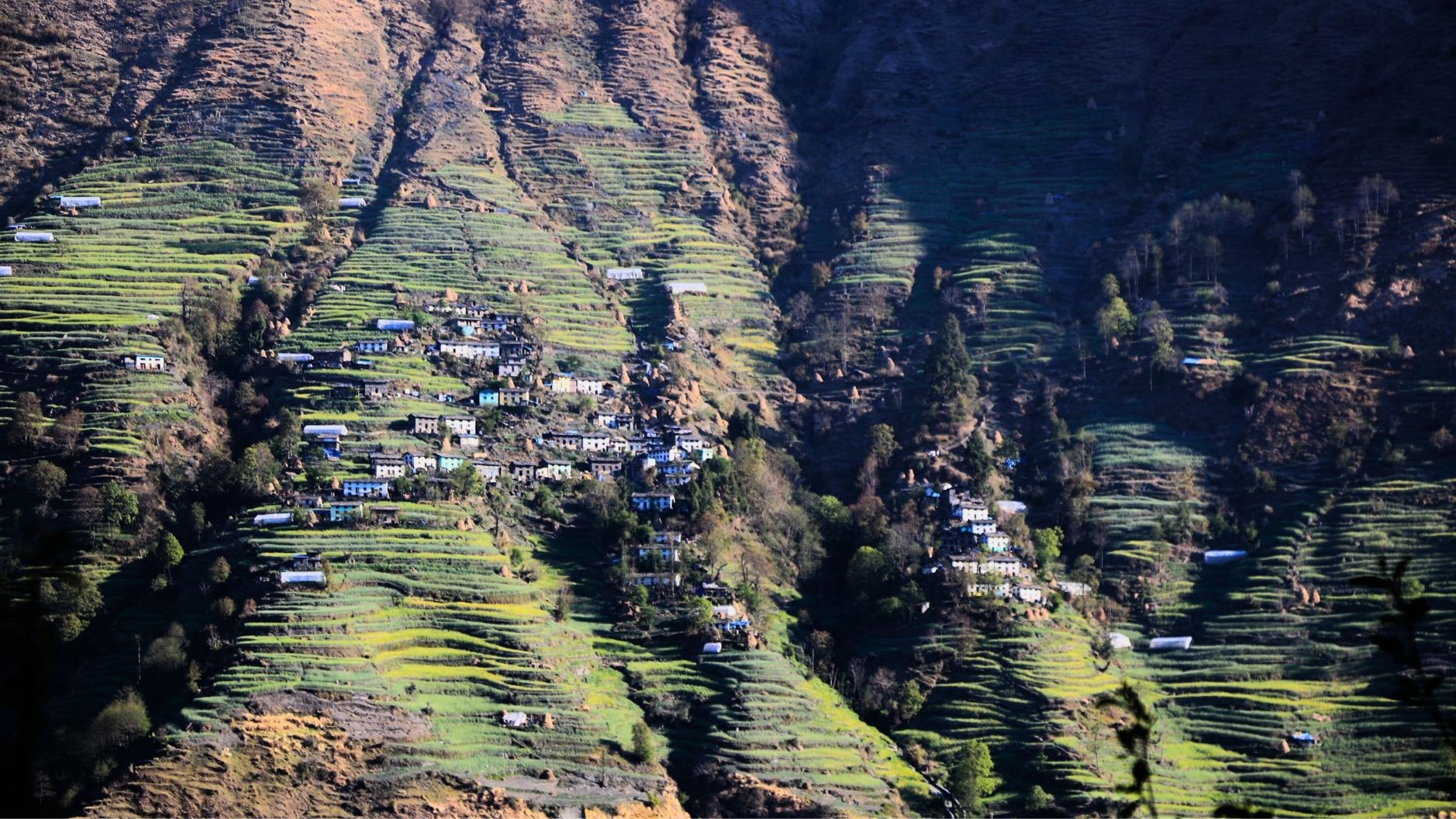
This trek offers rare access to the authentic culture of far-western Nepal, passing through isolated villages inhabited by Rai, Sherpa, Tamang, and Bhotia communities. Life here remains largely unchanged by modern tourism.
Trekkers encounter:
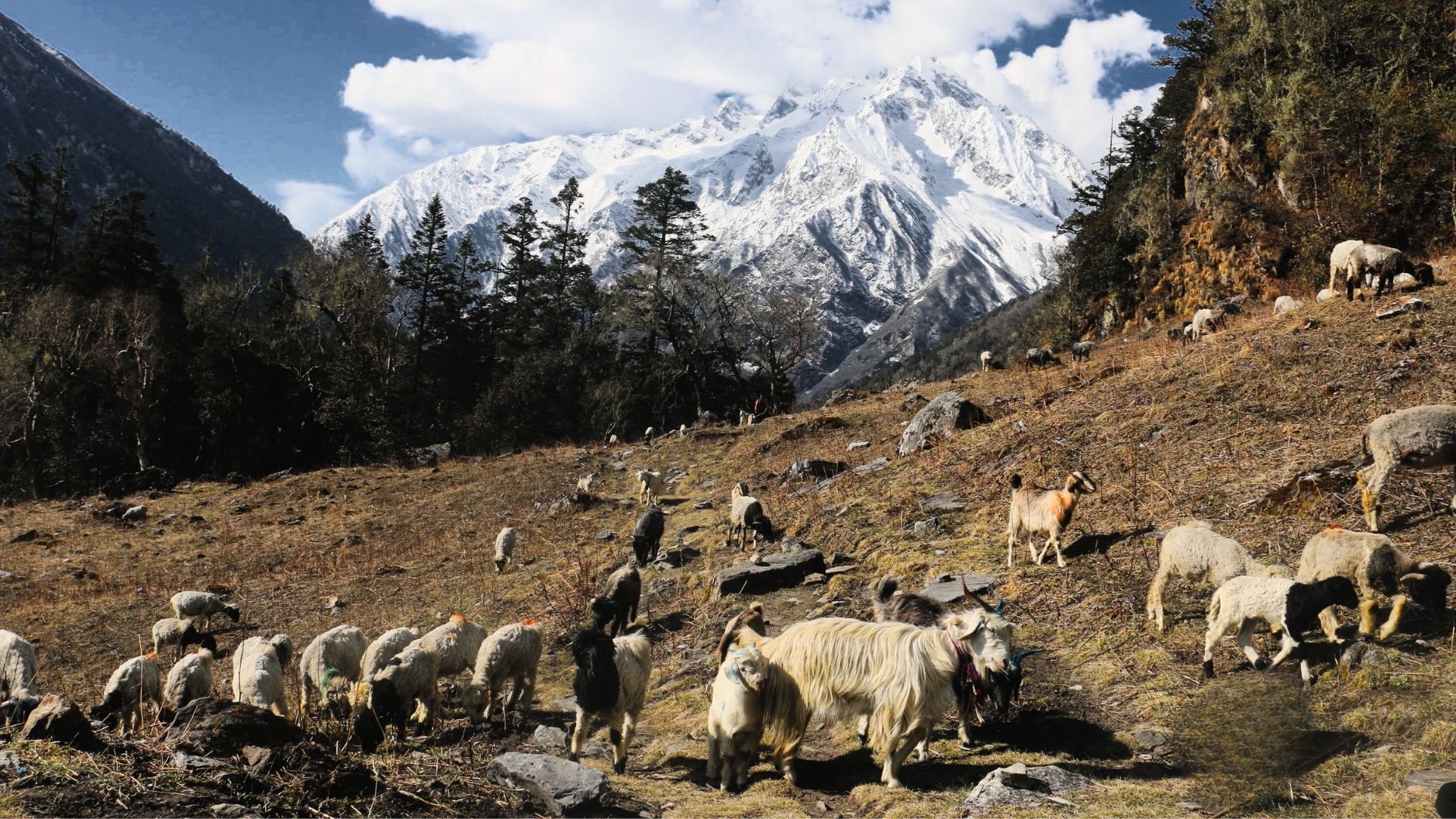
- Traditional stone houses and yak herding settlements
- Tibetan-influenced monasteries and prayer flags
- Warm hospitality and age-old mountain lifestyles
The cultural depth of the Api Himal region makes this trek as meaningful as it is adventurous.
Natural Beauty & Wildlife
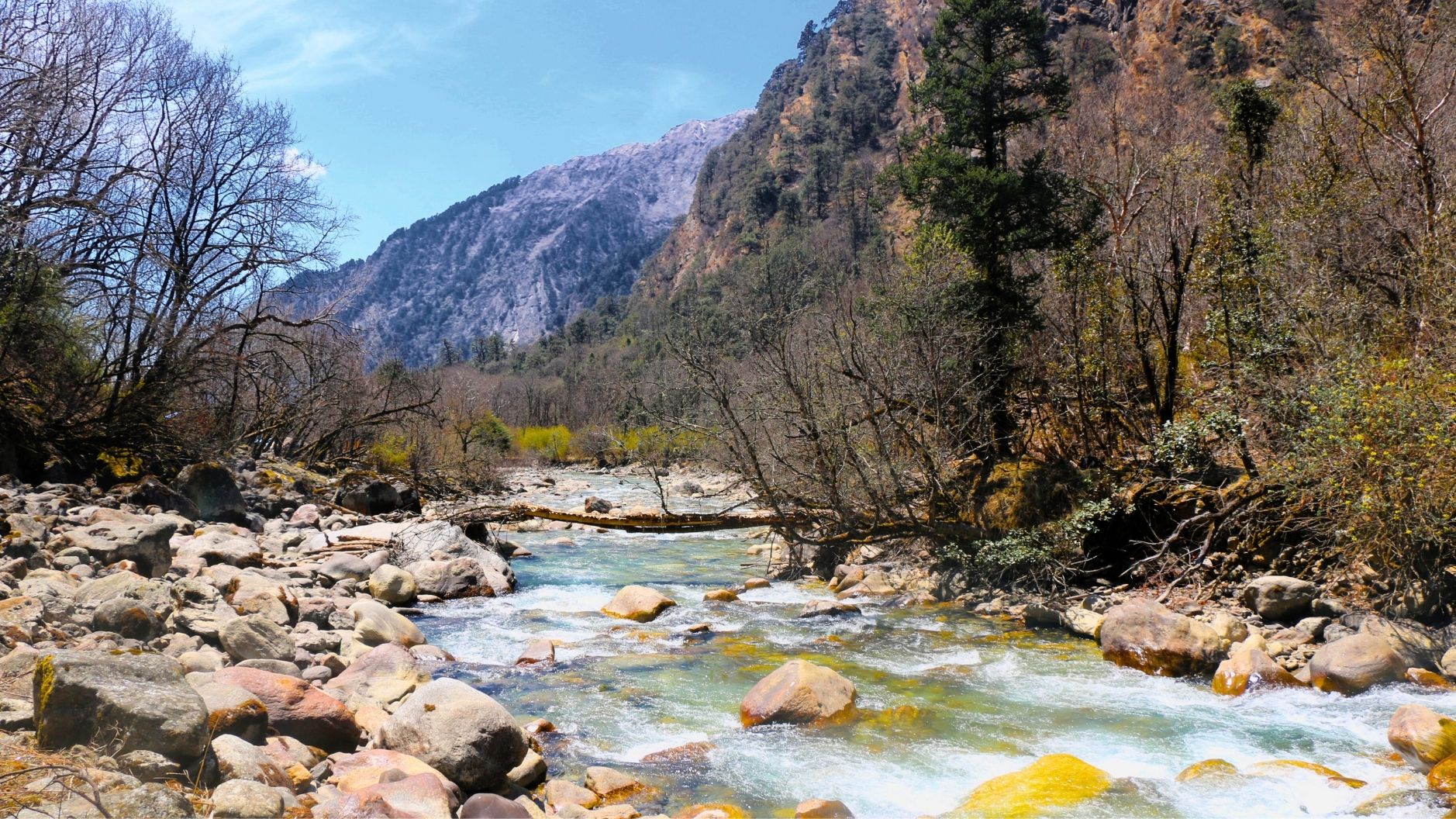
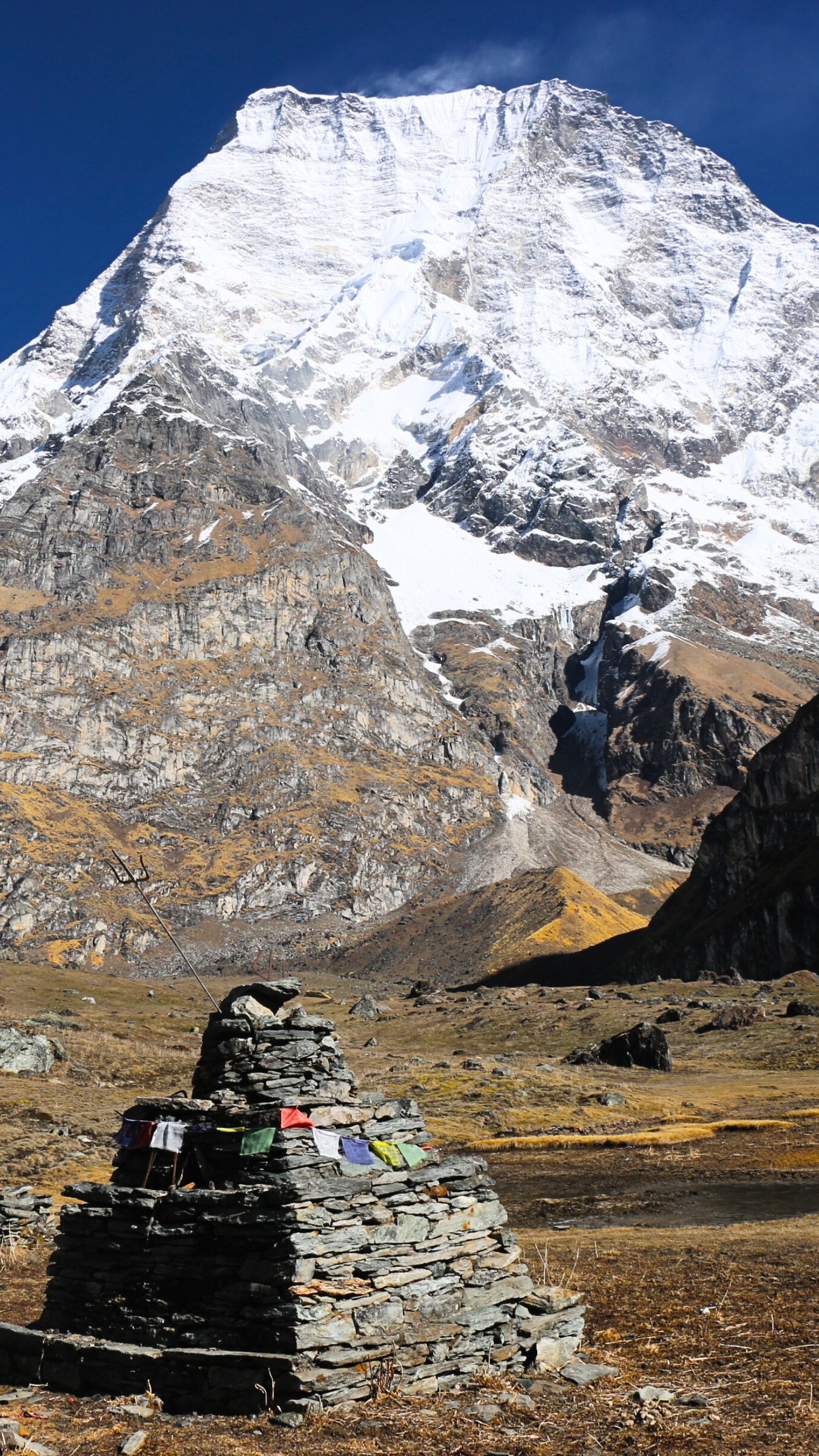 The Api Nampa Conservation Area is one of Nepal’s richest yet least explored ecological zones. The landscape transitions dramatically from lush forests of oak, pine, and rhododendron to high-altitude alpine terrain and glacial valleys.
Wildlife highlights may include:
- Snow leopard
- Himalayan tahr
- Blue sheep
- Wild yaks
- Rare bird species
For nature lovers and photographers, this trek is a hidden gem.
Accommodation & Meals
Facilities in the Api Himal region are basic and rustic, adding to the authenticity of the experience.
Accommodation
- Simple, family-run teahouses with shared facilities
- Tent camping at higher elevations and near base camp
Meals
- Traditional Nepali food such as Dal Bhat, Momos, rice, noodles, and soup
- Limited Western options depending on availability
Trekkers are advised to bring:
- A warm sleeping bag (rated for sub-zero temperatures)
- Water purification tablets or filters
Best Time to Trek Api Himal
- Spring (March–May): Mild temperatures, blooming wildflowers
- Autumn (September–November): Clear skies, best mountain views
Winter trekking is possible for experienced trekkers but extremely cold, while the monsoon season (June–August) is not recommended due to rain, leeches, and poor trail conditions.
Accommodation & Meals on the Api Himal Trek
Accommodation and dining on the Api Himal Trek reflect the region’s remoteness and authenticity. Unlike the highly developed trekking routes of Everest or Annapurna, facilities here remain simple, traditional, and community-run, offering trekkers essential comfort rather than luxury. This simplicity is part of the unique charm of trekking in far-western Nepal.
Accommodation: From Teahouses to Wilderness Camping
Lodging conditions gradually become more basic as the trail ascends deeper into the Api Nampa Conservation Area.
Teahouses and Local Lodges
Most nights are spent in small, family-run teahouses and lodges. Rooms are modest, typically with twin beds, mattresses, pillows, and minimal furniture. These teahouses provide a warm welcome and a genuine cultural experience.
Shared Facilities
Facilities are shared and basic, often consisting of simple squat toilets. Heating is usually available only in common dining areas through wood-burning stoves or gas heaters. Hot showers, electricity, and Wi-Fi are limited or unavailable, especially at higher elevations.
Camping at Higher Altitudes
Beyond certain villages—particularly near Api Himal Base Camp (4,200m)—teahouses no longer exist. In these remote sections, fully supported tent camping is required and is typically arranged by the trekking agency.
Essential Gear
Although teahouses may provide blankets, temperatures frequently drop below freezing at night. Trekkers are strongly advised to bring a high-quality sleeping bag rated for cold and sub-zero conditions.
Meals on the Api Himal Trek
Meals are hearty, nourishing, and designed to provide the energy needed for long trekking days.
Traditional Nepali Cuisine
The most reliable and popular meal is Dal Bhat—a wholesome combination of lentil soup, rice, and seasonal vegetables. Other commonly available dishes include Momos (dumplings), Sherpa stew, Tibetan bread, noodles, and vegetable curries. Vegetarian meals are widely available and highly recommended at altitude.
Limited Western Options
At lower elevations, some teahouses may offer simple Western-style food such as pasta, fried rice, pancakes, and soups, though choices become more limited as you move higher and deeper into the region.
Snacks and Supplies
Basic snacks like chocolate bars, biscuits, and nuts can be found in some villages, but prices increase significantly due to the region’s remoteness. Bringing personal energy snacks and supplements from Kathmandu is highly recommended.
Drinks & Hydration
- Hot Beverages: Tea (ginger, lemon, or herbal) and coffee are commonly available and help keep the body warm. “Hot Lemon” drinks are popular for hydration.
- Drinking Water: Bottled water is occasionally available but not reliable. Using water purification tablets or filters is strongly encouraged for safety and environmental responsibility.
- Alcohol: Local alcoholic drinks such as rakshi may be offered in villages, but alcohol consumption is not recommended at high altitudes due to increased risk of altitude sickness.
What to Expect Overall
Staying and dining on the Api Himal Trek is like visiting a remote mountain homestead rather than staying in a hotel. The food is simple yet nourishing, the accommodation clean but basic, and the true reward lies in the warm hospitality, cultural authenticity, and untouched Himalayan landscape.
This trek is ideal for travelers who value experience, wilderness, and cultural connection over modern comforts.
popular western Nepal trek
|
Where is the Api Himal Trek located? :
The Api Himal Trek is in far-western Nepal, near the Nepal–India border, in the Api Nampa Conservation Area. |
|
How difficult is the Api Himal Trek? :
It is a challenging trek due to long walking days, high passes, remote terrain, and limited facilities. |
|
Do I need a special permit? :
Yes, an Api Nampa Conservation Area Permit (ANCAP) is required for the tre |
|
is drinking water available? :
Natural water sources are common, but purification tablets or filters are required. |
|
How crowded is the Api Himal Trek? :
Very quiet and uncrowded—ideal for trekkers seeking solitude and wilderness. |
|
Is mobile network or internet available? :
Limited to none for most of the trek; expect complete digital disconnection. |
|
Can the trek be customized? :
Yes, itineraries can be customized based on time, fitness, and interests. |
|
Why choose Api Himal over popular treks? :
|