Safety Tips for Hiking
Enhance your hiking experience with our comprehensive guide to essential tips and safety advice. Whether you're a beginner or a seasoned hiker, learn how to choose the right gear, stay hydrated, plan effectively, and navigate trails safely. Prepare for your next adventure with confidence.
Hiking is a wonderful way to immerse yourself in nature, challenge your physical limits, and experience the tranquility of the great outdoors. Whether you're embarking on a short day hike or a multi-day trek, being well-prepared is key to ensuring a safe and enjoyable adventure. From choosing the right gear to staying mindful of your surroundings, careful planning can make all the difference. In this guide, we’ll walk you through essential tips and safety measures to keep in mind for your next hike. Whether you're a seasoned hiker or a beginner, these practical insights will help you stay safe, and energized, and fully appreciate the beauty of nature on your journey.
Good Hiking boots
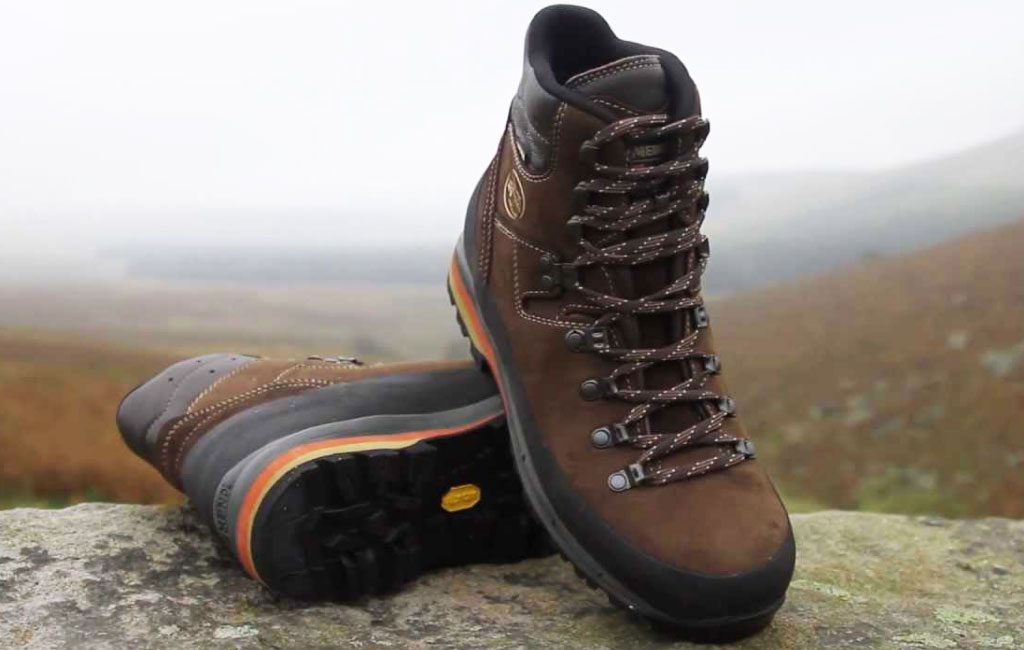
Choosing suitable hiking boots makes your hiking journey easy and comfortable. The hiking boots protect your feet, support them, and provide you with a better grip. Make sure to purchase toots that perfectly fit you, have a good grip, are waterproof, and are light. If you are going for the longer hike, go for the ankle boots as they provide better support to your feet.
Equipment
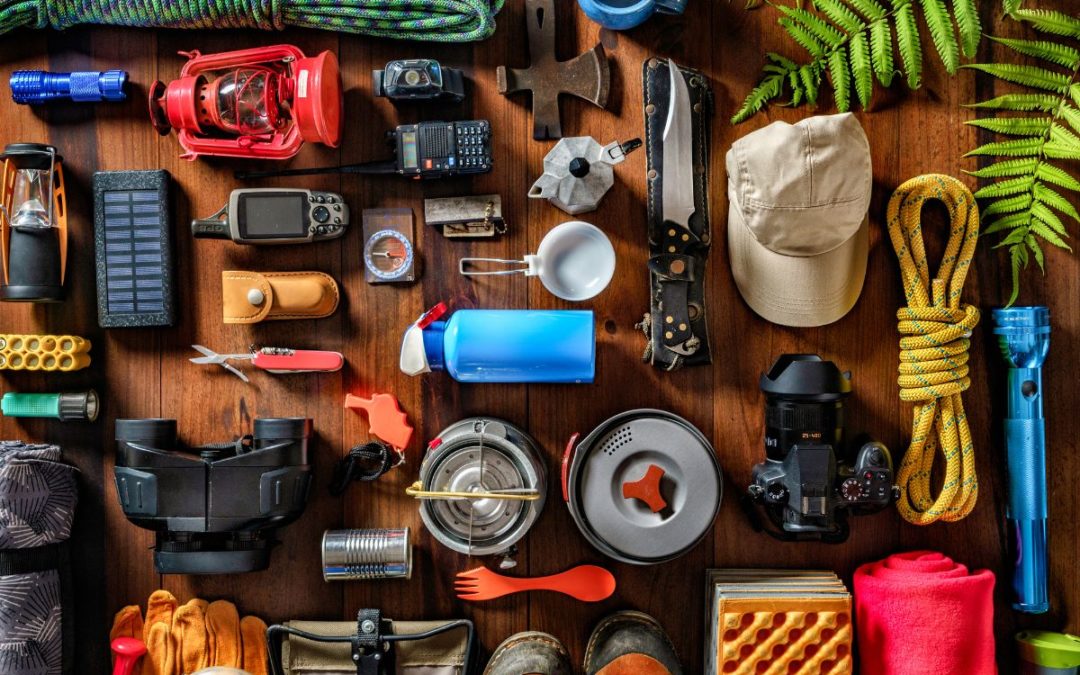
You must make sure that you pack the right equipment for the hike. The bag pack should be light and consist of basic equipment. Some essential equipment such as a first aid kit, a survival blanket, a raincoat, hat must be there in your bag.
Planning
Proper planning is necessary for hiking. Important information such as distance height differences, and difficulty level must be taken into consideration before hiking. This information can be found in maps, guidebooks, online, or by asking the experts. Another important aspect is to keep an eye on the weather forecast. Look into the itinerary through the map and also plan an additional one if it does not work.
Fitness
Hiking is an endurance activity and you must be in good health and able to evaluate your physical strength because it needs a lot of effort that is good for the heart and circulation. Stay away from being pressed by the clock and choose a tempo that works for everyone in the group.
Hydrated
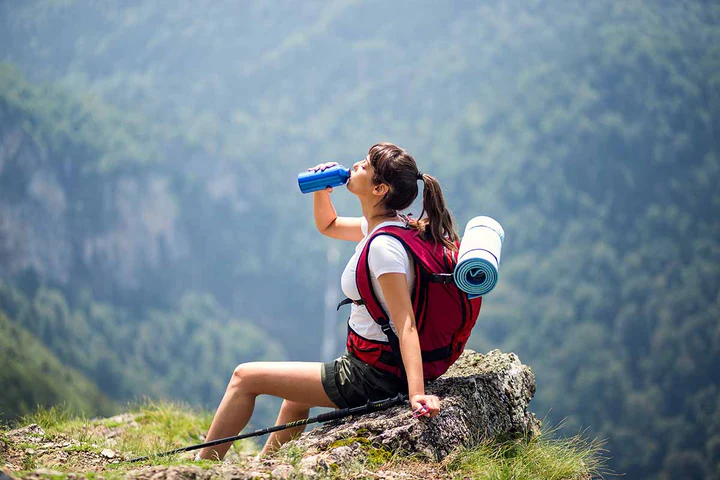
Dehydration can catch you off guard, particularly on demanding hikes or in hot weather. Both before and throughout your hike, sip lots of water. If you're going on a multi-day hike, bring a portable water filter in addition to a water bottle or hydration pack.
Take short Breaks
You must take a regular short break that allows you to take a rest, relax, and enjoy the beauty of nature with your companions. Don’t overexert yourself and you must know your limit. Hiking in your space will save you energy. While taking a break, you can eat or drink to boost your energy level and concentrate on your hike. Don’t overexert yourself and you must know your limit. Hiking your space will save you energy. Energy-giving food such as cereal bars, dried fruit, chocolate cheese, air-dried meat, nuts, and gingerbread can be taken that provide energy for the whole day.
Walk Carefully
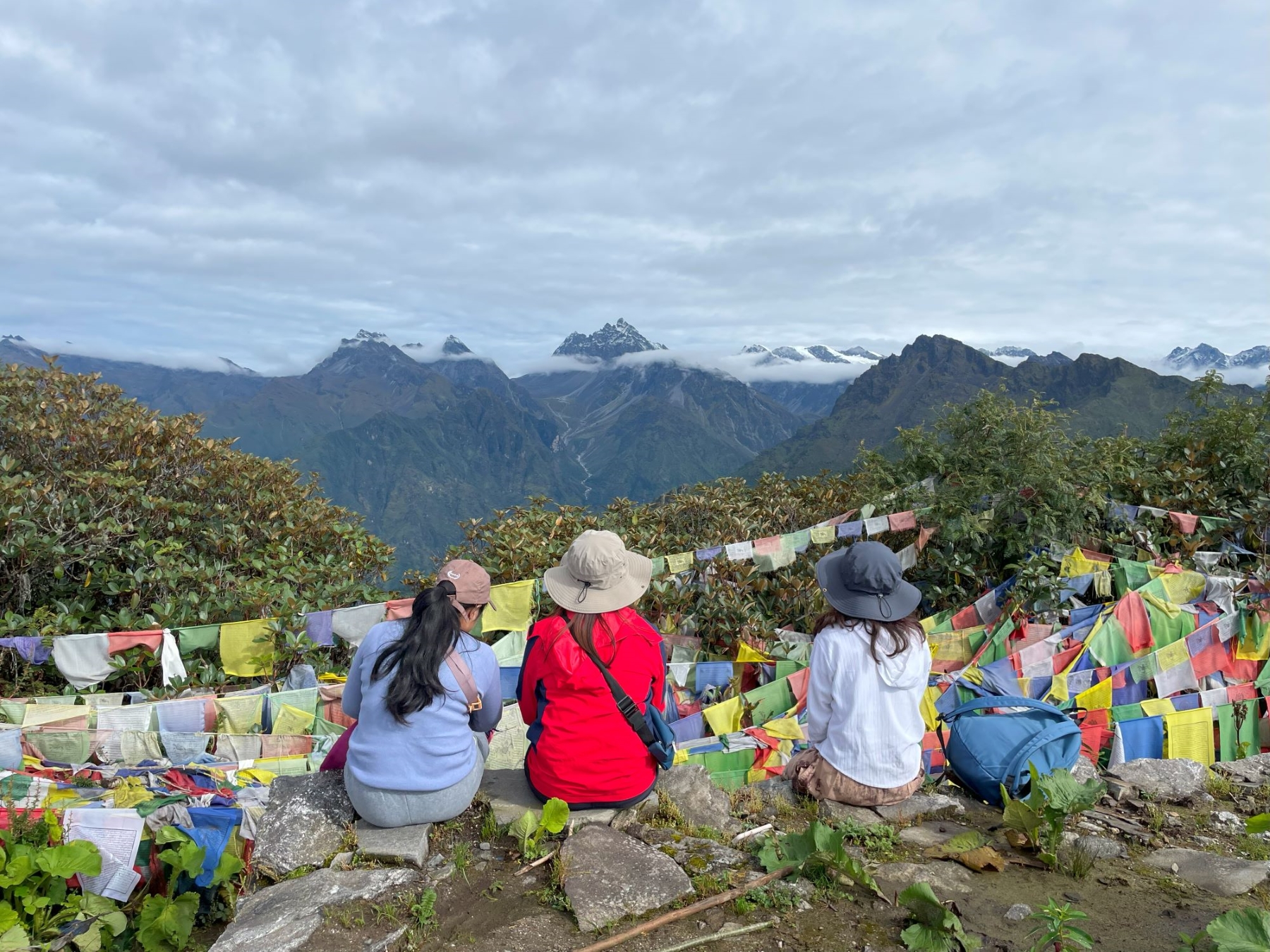
You might fall, stumble, or slip sometimes during the hike. Falling causes the accident. Remember that being tired and maintaining a steady pace will seriously hinder your focus and walk consistency.
Therefore, taking break small break can maintain the consistency. Make sure you walk carefully by avoiding the loosening stones during the walk.
Hike with others and inform as well.
It is advisable to hike along with a few people and avoid going on a hike alone for many reasons. It is not safe for you to hike alone. Going on solo hikes should be attempted by the seasoned hikers or on an easy. You need to inform about the plan and route to one of the family members or close friends. The information such as location, when are you expect to come and give them emergency number if you don't return on time. This information is crucial to locate you in case something goes wrong.
Smaller group
It is always more flexible to hike within smaller groups than the larger ones. It is easier to help each other in case of emergency. Each group member must be aware of the destination, the route that the group is following, and when the entire group is expected to be back. Solo hikers must take extra precautions for minor incidents.
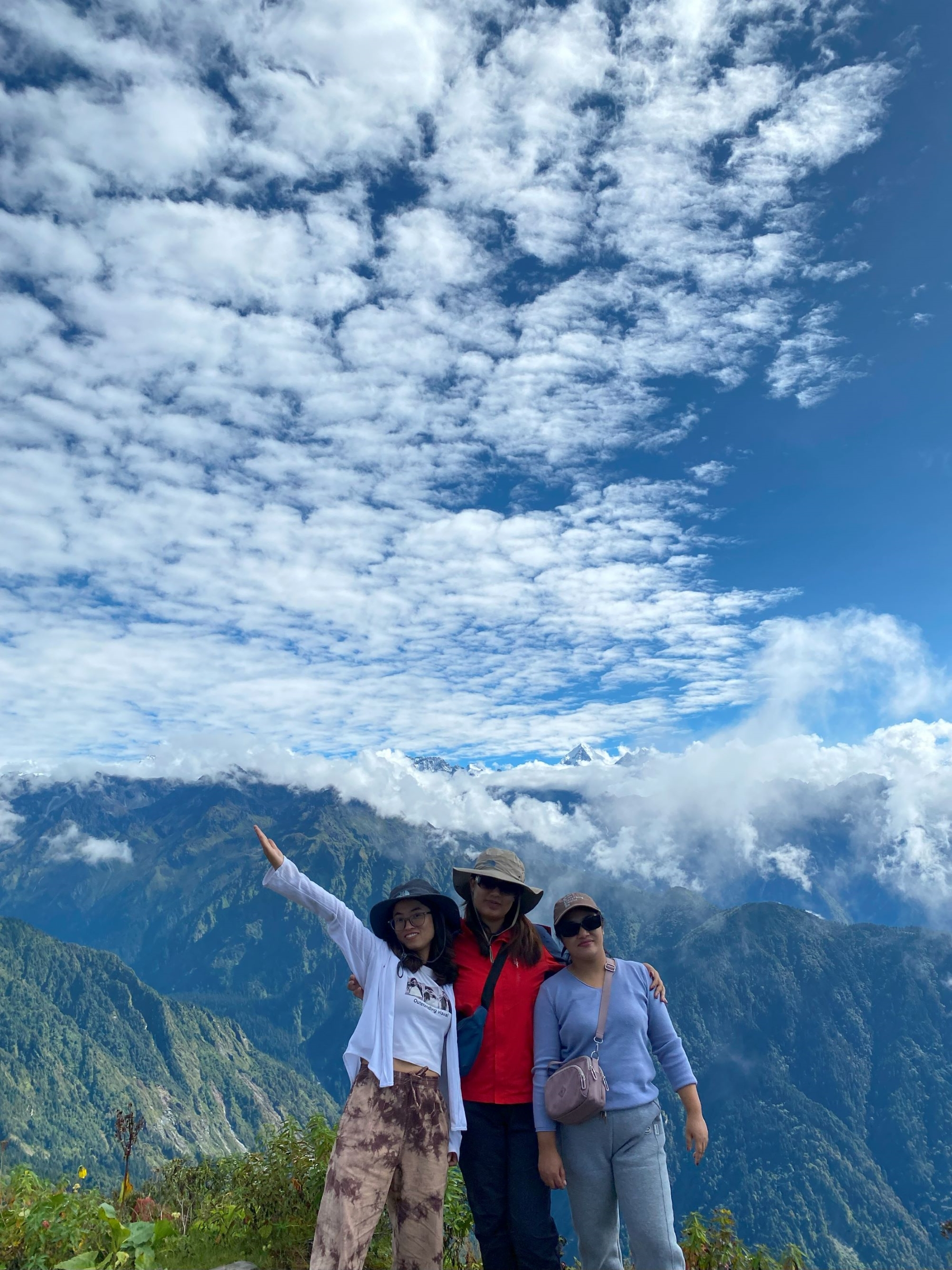
Respect for nature and the environment
Hills and mountains are the beautiful creations of Mother Nature. It is our responsibility to protect this environment while hiking in every possible manner. A few steps such as taking away your waste with you, not making noise, staying on the paths, and respecting the protected areas can be done from your side.
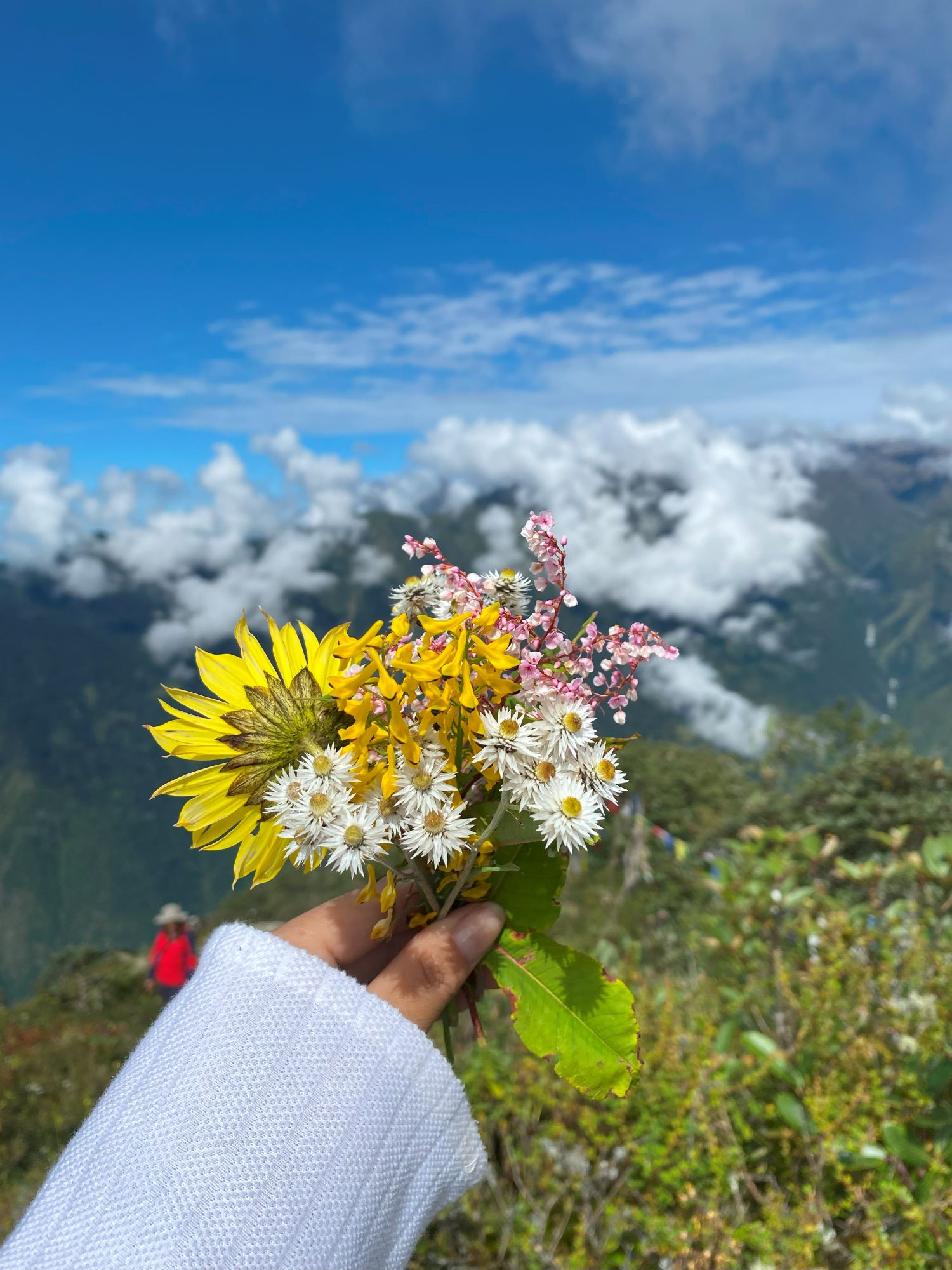
Hiking rewards you with peace and calm of nature but the safety of the hikers comes first. Planning, packing appropriately, and maintaining awareness of your surroundings will help you reduce hazards and completely appreciate the beauty of nature. Whether you're an experienced hiker or a novice, heeding this safety advice can guarantee a fun and safe excursion.